
WHO COUNTS AS ASIAN?
WHO COUNTS AS ASIAN?
A multimedia series highlighting the diversity of Asian identities and challenging how the American Media defines “Asian”.
A multimedia series highlighting the diversity of Asian identities and challenging how the American Media defines “Asian”.
A multimedia series highlighting the diversity of Asian identities and challenging how the American Media defines “Asian”.
Role
Role
Role
Artist / Photographer / Designer
Artist / Photographer / Designer
Artist / Photographer
Tools
Tools
Tools
Figma / Adobe Creative Suites
Figma / Adobe Creative Suites
Figma / Adobe
The Problem
The Problem
The Problem
The current racial categorization system in America fails to accurately represent the diversity of Asian identities and reinforces racial stereotypes by categorizing individuals based solely on skin color and external features. Asia is a continent made up of 5 regions with dozens of countries, each with their own unique culture and tradition, therefore "Asian" should be a broader term. According to the 2016 National Asian American Survey, a majority of the Black, White, and Latino respondents regarded East Asians or Asian Americans, but when they were asked about South, Southeast, Central, and West Asians, people were more resistant to inclusion.
The current racial categorization system in the U.S. flattens Asian identities into a single, incomplete label, reinforcing stereotypes by relying on skin color and outward appearance. Asia is not a monolith. It is a vast continent made up of five regions and dozens of countries, each with distinct cultures, histories, and traditions, so the term “Asian” should be understood as expansive rather than narrow. Data from the 2016 National Asian American Survey reveals this gap clearly. While many Black, White, and Latino respondents readily associated East Asians with the label Asian American, they were far more hesitant to include South, Southeast, Central, and West Asians. This selective recognition exposes how limited and exclusionary the dominant understanding of Asian identity still is.
The current racial categorization system in the U.S. flattens Asian identities into a single, incomplete label, reinforcing stereotypes by relying on skin color and outward appearance. Asia is not a monolith. It is a vast continent made up of five regions and dozens of countries, each with distinct cultures, histories, and traditions, so the term “Asian” should be understood as expansive rather than narrow. Data from the 2016 National Asian American Survey reveals this gap clearly. While many Black, White, and Latino respondents readily associated East Asians with the label Asian American, they were far more hesitant to include South, Southeast, Central, and West Asians. This selective recognition exposes how limited and exclusionary the dominant understanding of Asian identity still is.
The current racial categorization system in the U.S. flattens Asian identities into a single, incomplete label, reinforcing stereotypes by relying on skin color and outward appearance. Asia is not a monolith. It is a vast continent made up of five regions and dozens of countries, each with distinct cultures, histories, and traditions, so the term “Asian” should be understood as expansive rather than narrow. Data from the 2016 National Asian American Survey reveals this gap clearly. While many Black, White, and Latino respondents readily associated East Asians with the label Asian American, they were far more hesitant to include South, Southeast, Central, and West Asians. This selective recognition exposes how limited and exclusionary the dominant understanding of Asian identity still is.

Empathizing
Empathizing
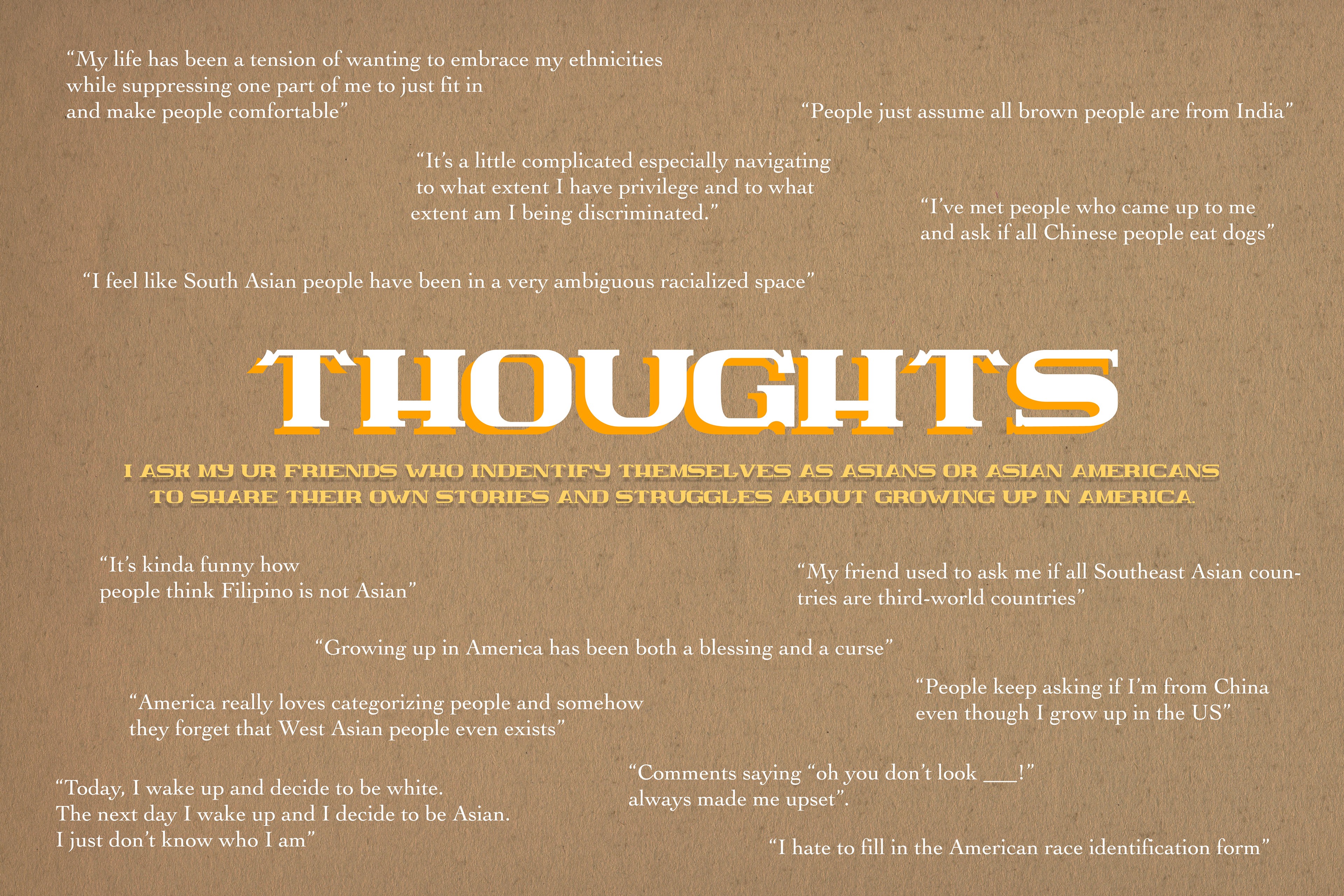
I spoke with friends at the University of Rochester who identify as Asian or Asian American and invited them to share their personal stories and the challenges they faced growing up in the U.S.
I spoke with friends at the University of Rochester who identify as Asian or Asian American and invited them to share their personal stories and the challenges they faced growing up in the U.S.
The work
The work
The work
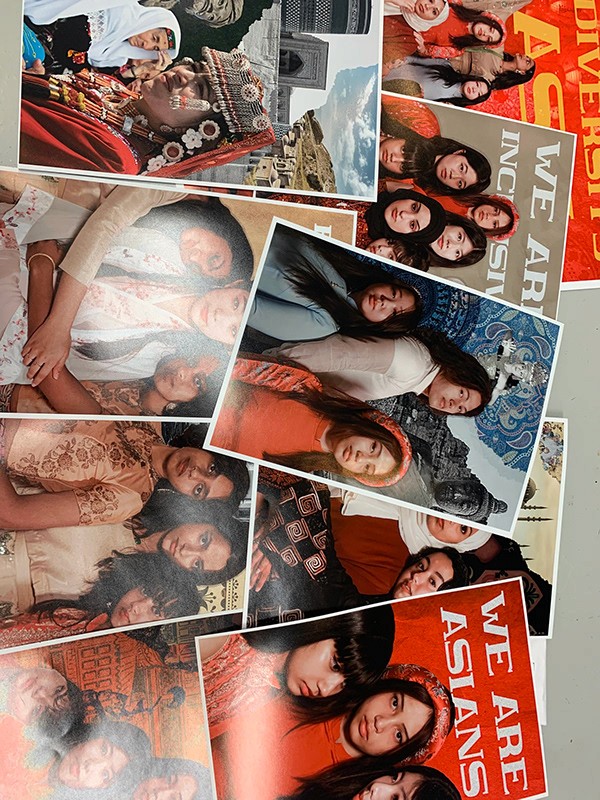
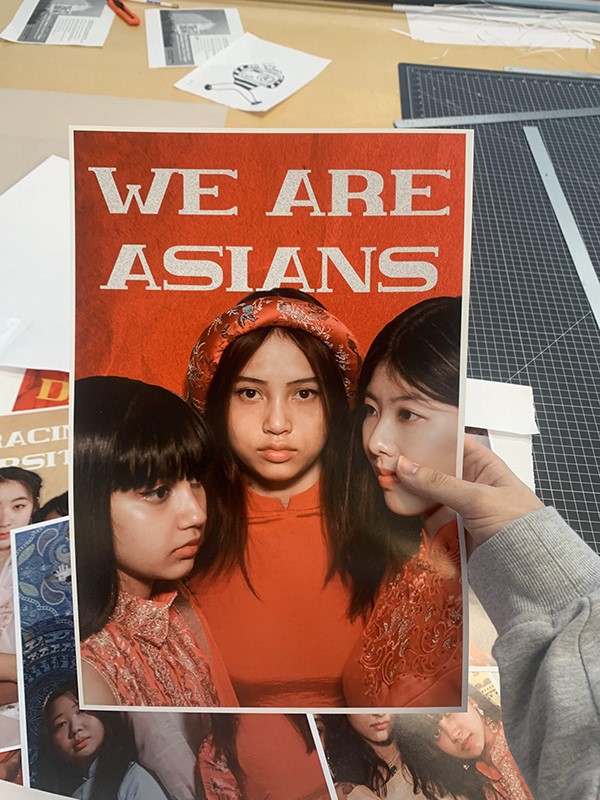
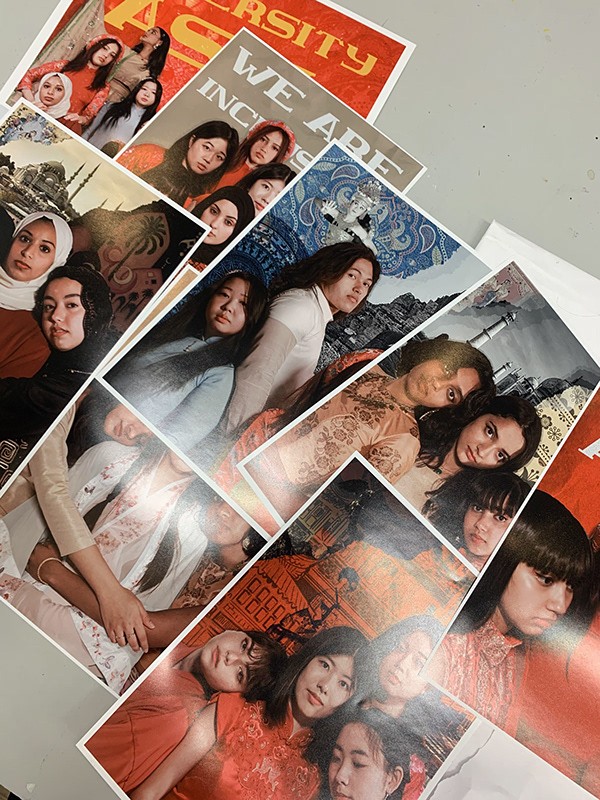
This project came together after a month of intense, hands-on work. Coordinating people and traditional clothing was no small task. I leaned on my friends' stories so the photoshoot could fully honor each culture with care and authenticity.
This project came together after a month of intense, hands-on work. Coordinating people and traditional clothing was no small task. I leaned on my friends' stories so the photoshoot could fully honor each culture with care and authenticity.
This project came together after a month of intense, hands-on work. Coordinating people and traditional clothing was no small task. I leaned on my friends' stories so the photoshoot could fully honor each culture with care and authenticity.
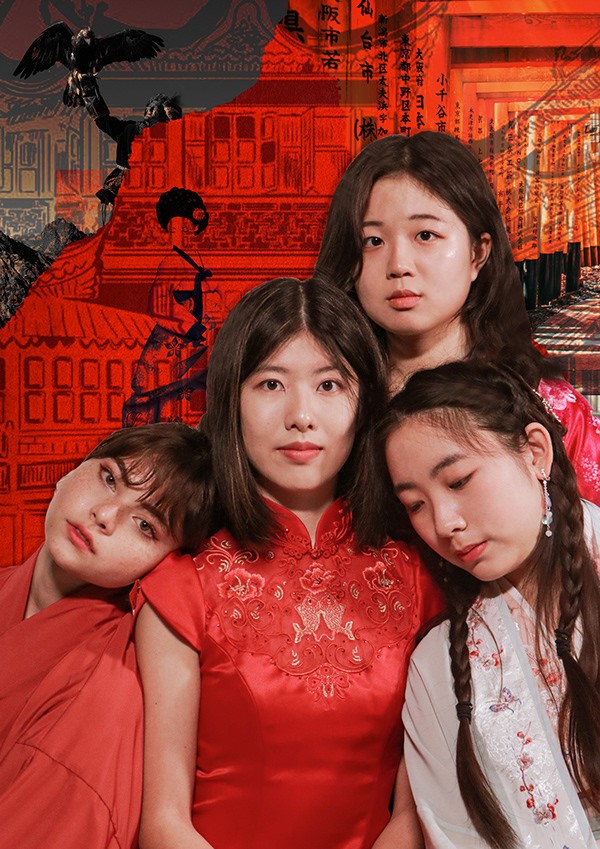

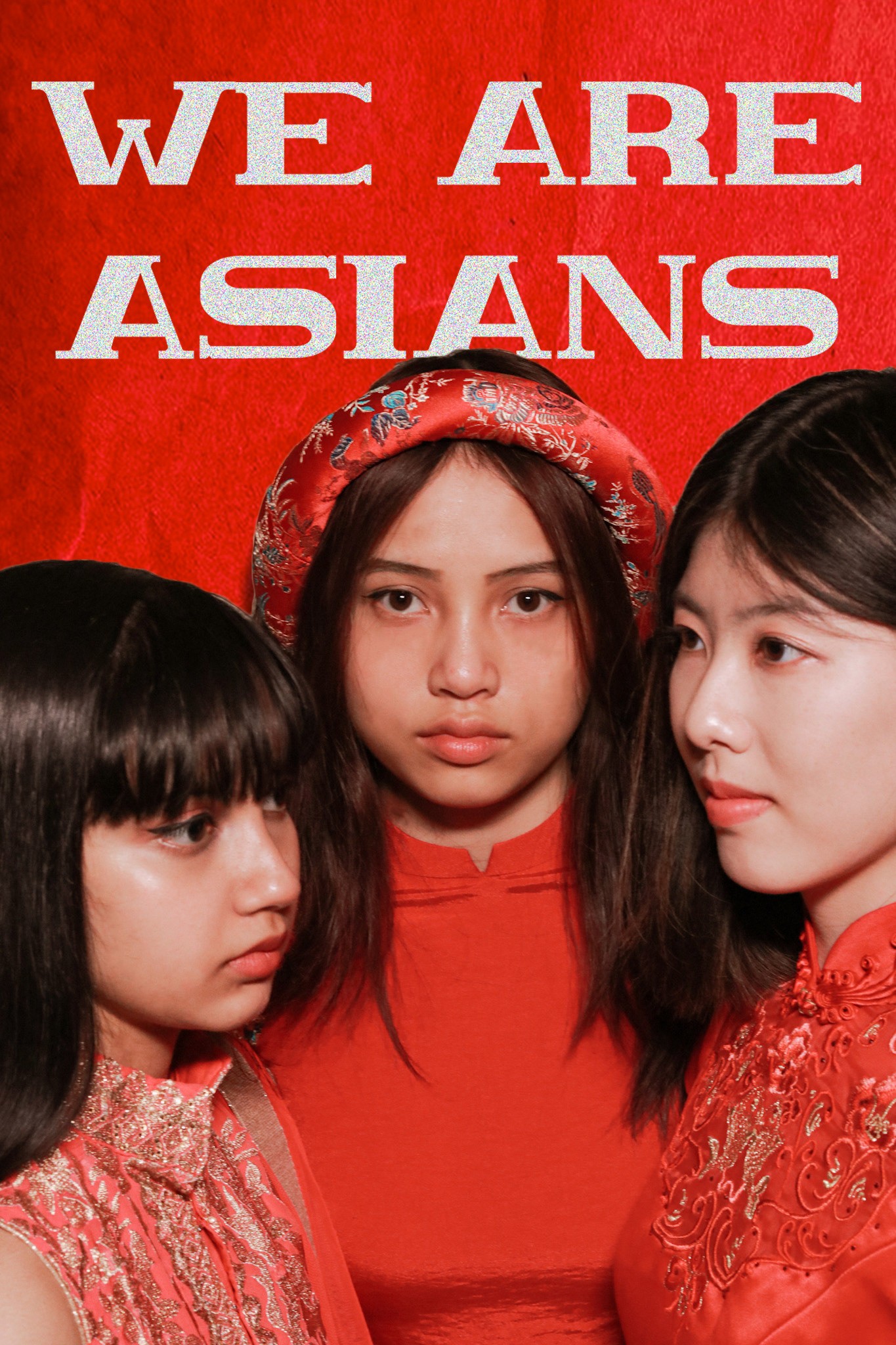
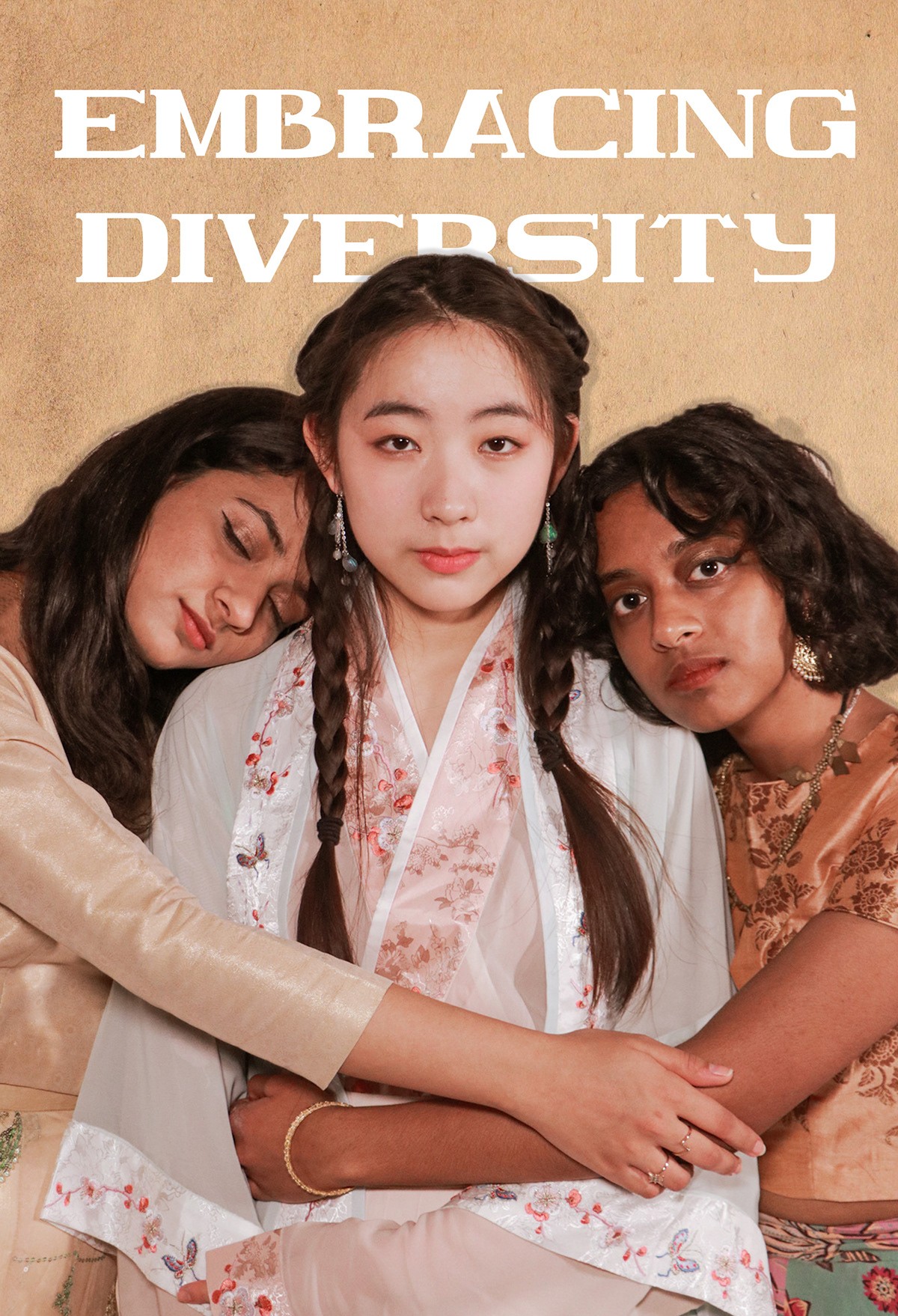
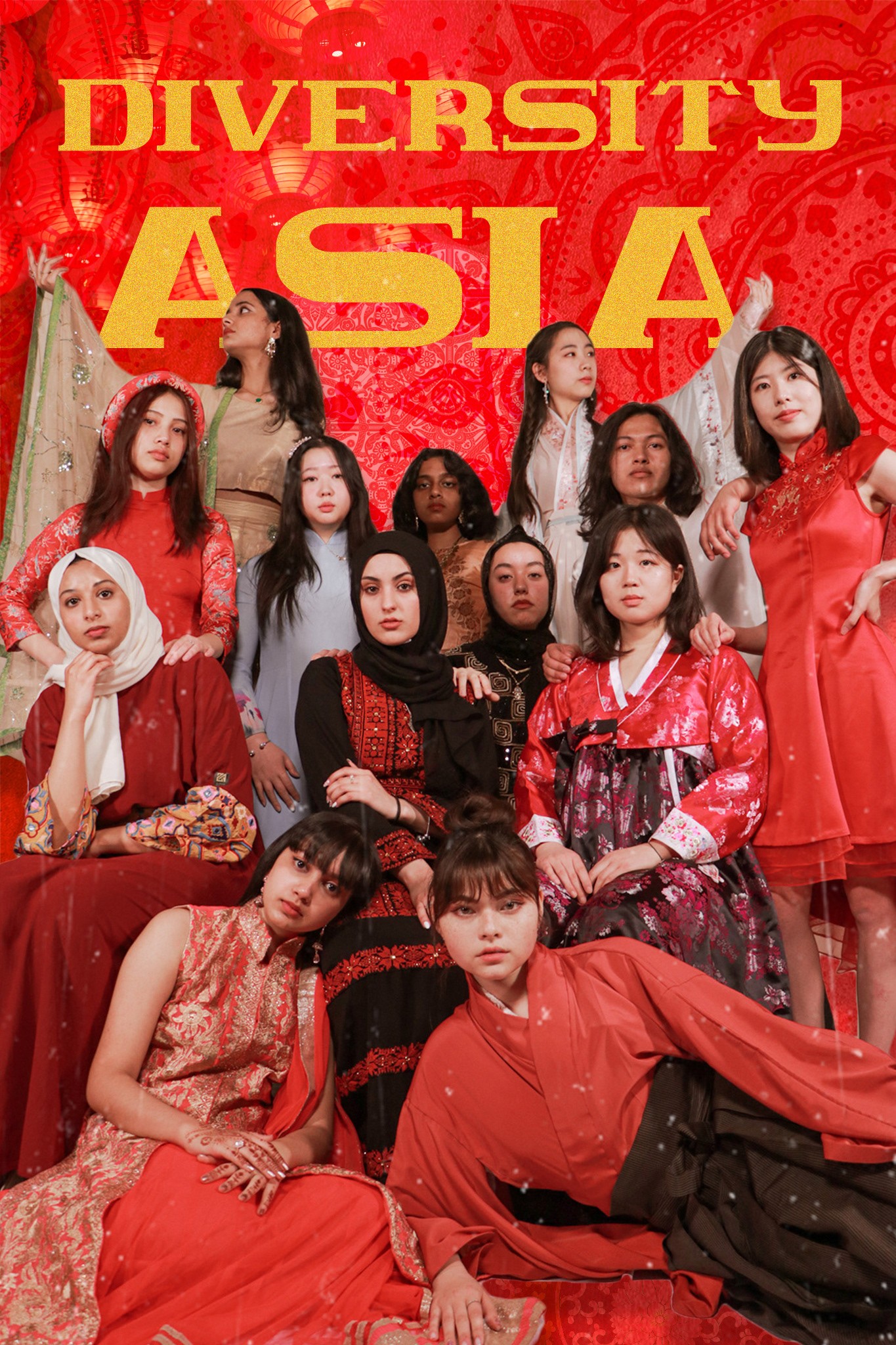
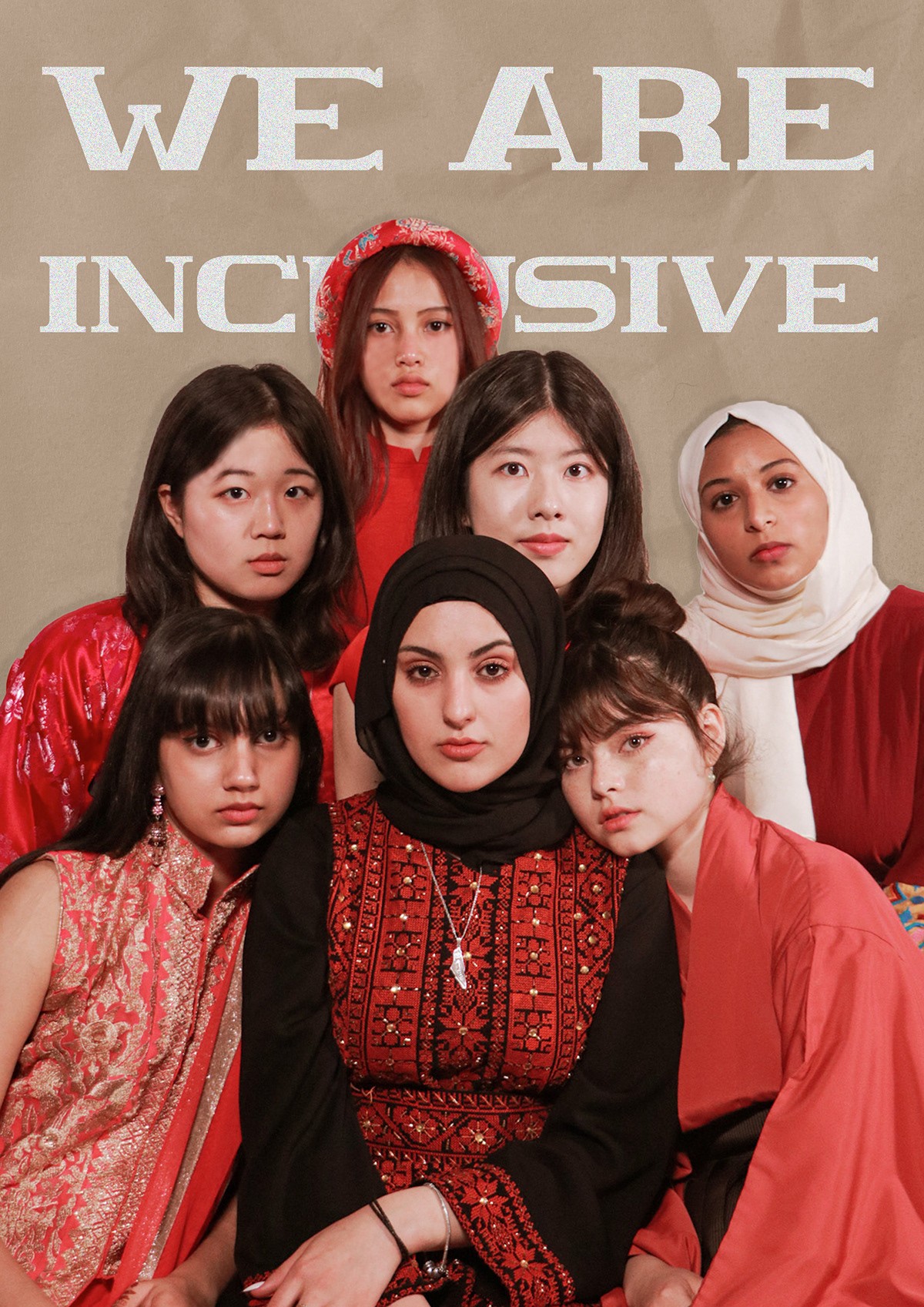
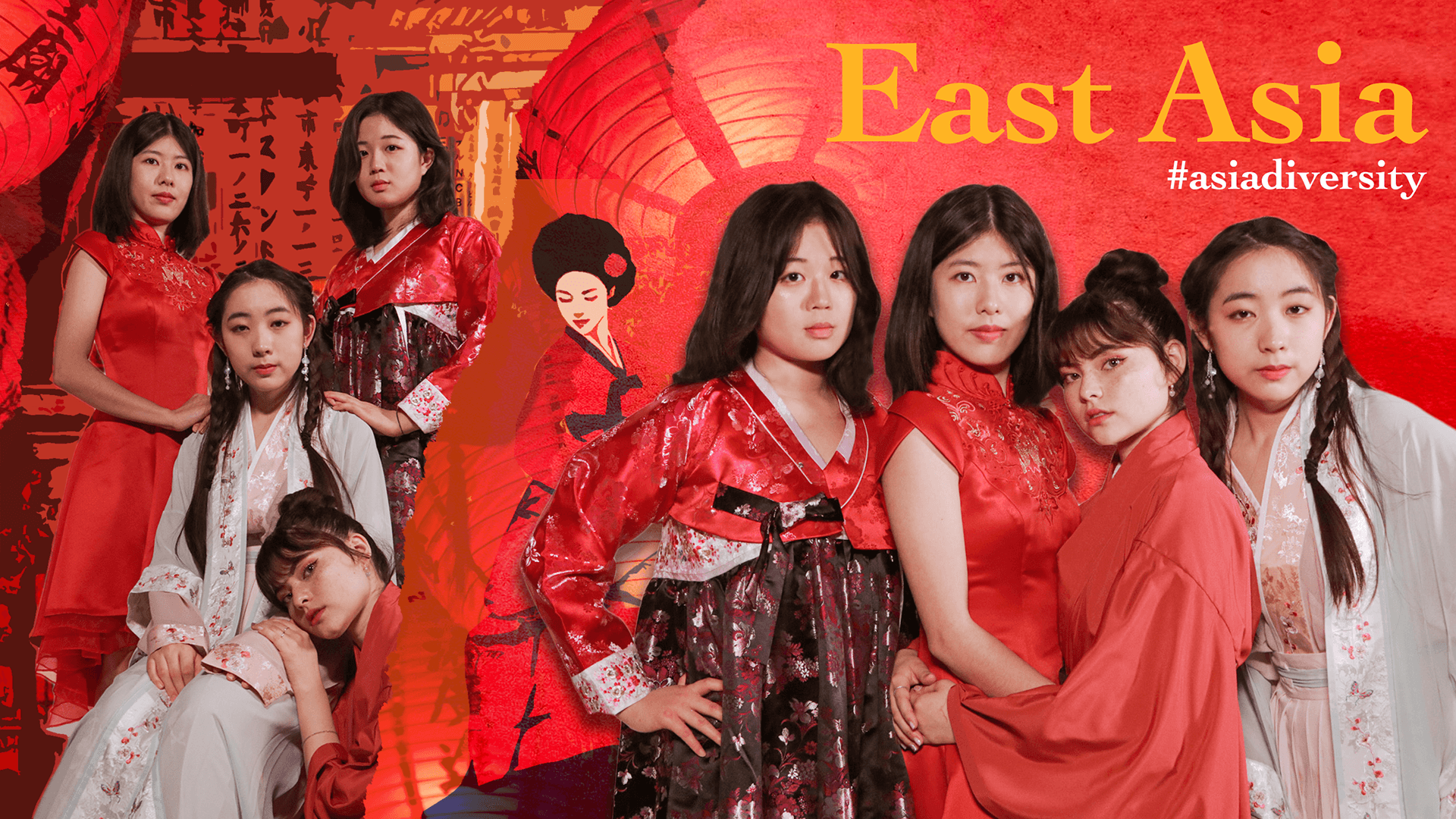
East Asia is the eastern region of Asia, which is defined in both geographical and ethno-cultural terms. The modern states of East Asia include China, Japan, Mongolia, North Korea, South Korea, Taiwan and Hong Kong (debatable).
East Asia is the eastern region of Asia, which is defined in both geographical and ethno-cultural terms. The modern states of East Asia include China, Japan, Mongolia, North Korea, South Korea, Taiwan and Hong Kong (debatable).
East Asia is the eastern region of Asia, which is defined in both geographical and ethno-cultural terms. The modern states of East Asia include China, Japan, Mongolia, North Korea, South Korea, Taiwan and Hong Kong (debatable).
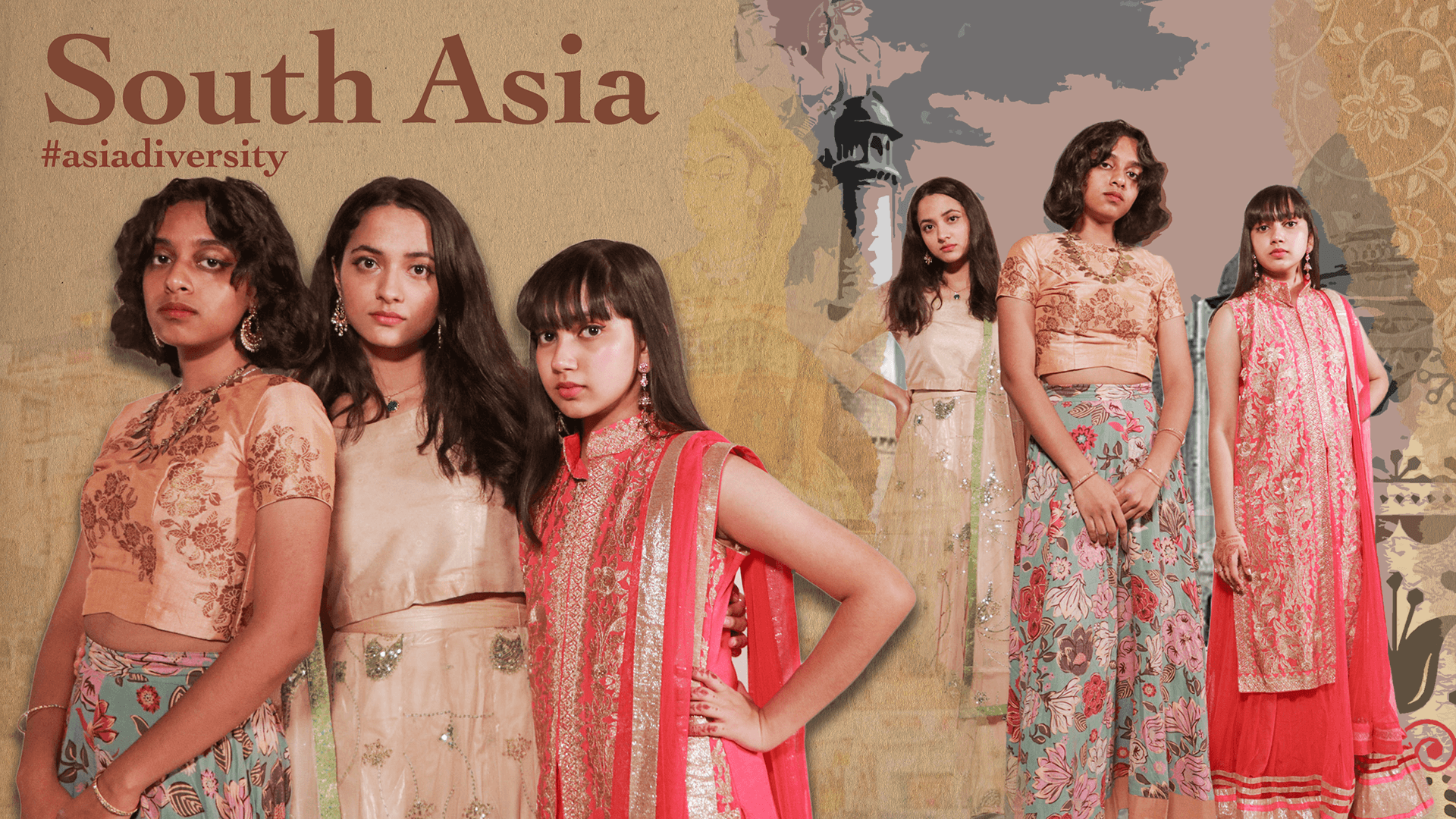
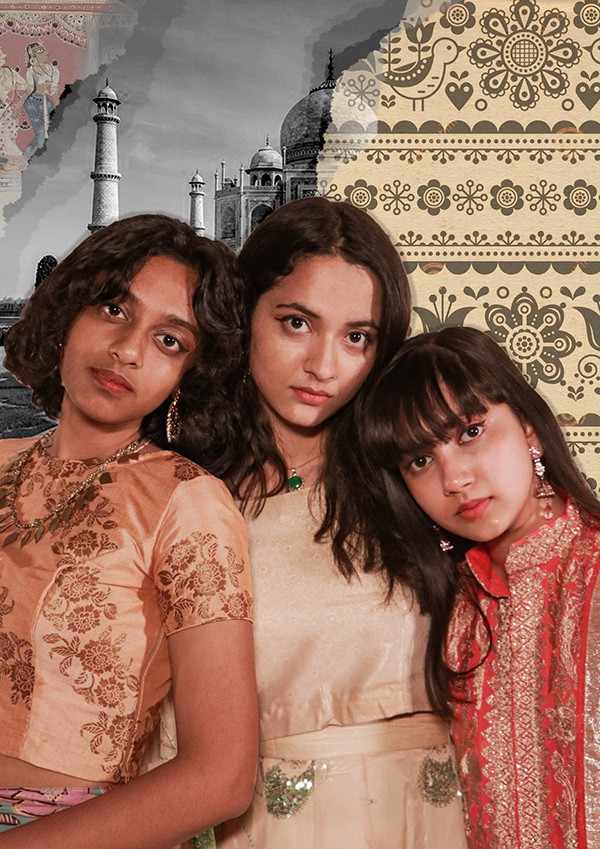
South Asia, subregion of Asia, consisting of the Indo-Gangetic Plain and peninsular India. It includes the countries of Bangladesh, Bhutan, India, Pakistan, Nepal, and Sri Lanka, Afghanistan and the Maldives are often considered part of South Asia as well.
South Asia, subregion of Asia, consisting of the Indo-Gangetic Plain and peninsular India. It includes the countries of Bangladesh, Bhutan, India, Pakistan, Nepal, and Sri Lanka, Afghanistan and the Maldives are often considered part of South Asia as well.
South Asia, subregion of Asia, consisting of the Indo-Gangetic Plain and peninsular India. It includes the countries of Bangladesh, Bhutan, India, Pakistan, Nepal, and Sri Lanka, Afghanistan and the Maldives are often considered part of South Asia as well.
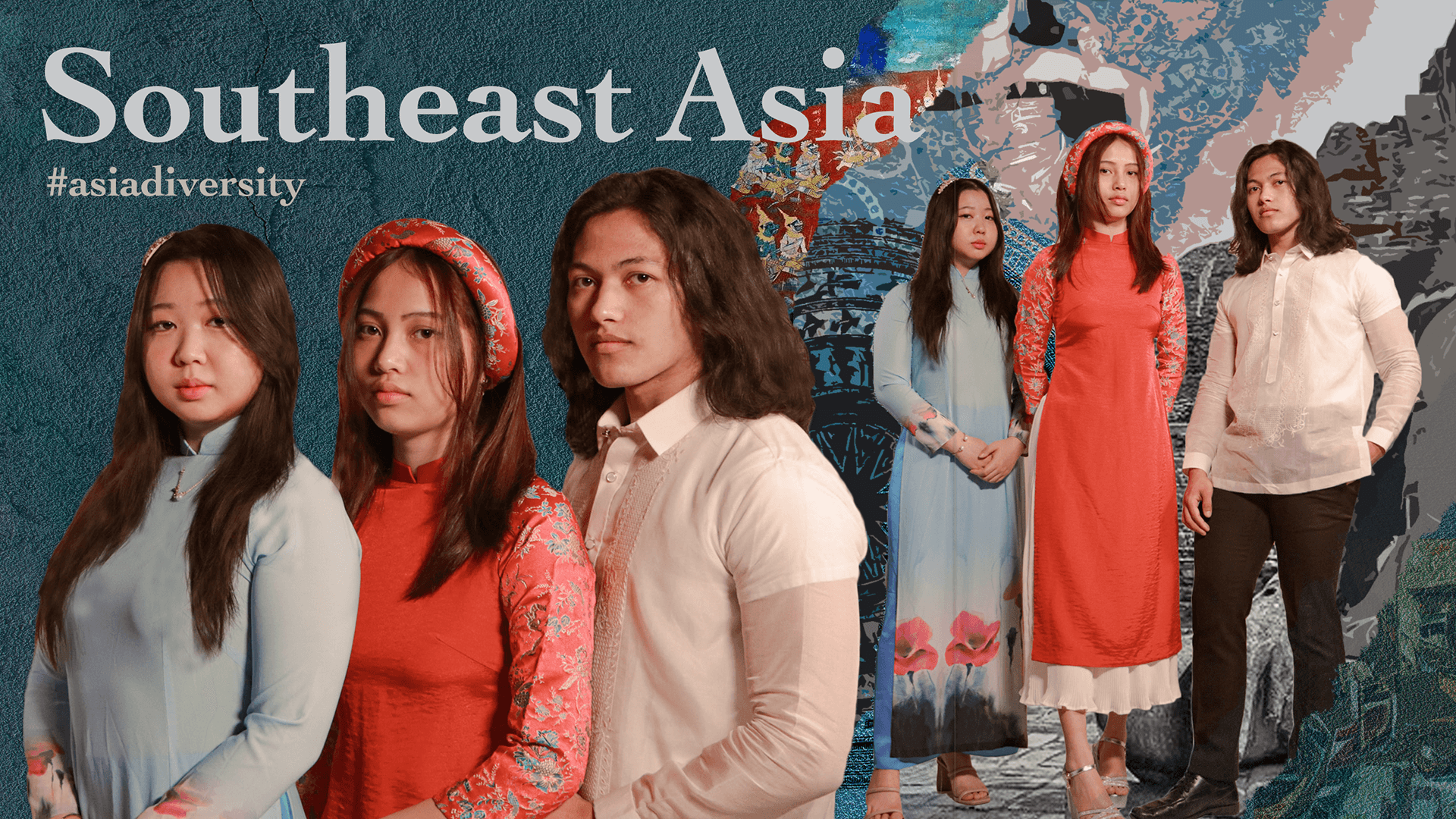
Southeast Asia is the geographical southeastern subregion of Asia, consisting of the regions that are south of China, south-east of the Indian subcontinent and north-west of Australia. It is composed of eleven countries of impressive diversity in religion, culture and history: Brunei, Burma (Myanmar), Cambodia, Timor-Leste, Indonesia, Laos, Malaysia, the Philippines, Singapore, Thailand and Vietnam.
Southeast Asia is the geographical southeastern subregion of Asia, consisting of the regions that are south of China, south-east of the Indian subcontinent and north-west of Australia. It is composed of eleven countries of impressive diversity in religion, culture and history: Brunei, Burma (Myanmar), Cambodia, Timor-Leste, Indonesia, Laos, Malaysia, the Philippines, Singapore, Thailand and Vietnam.
Southeast Asia is the geographical southeastern subregion of Asia, consisting of the regions that are south of China, south-east of the Indian subcontinent and north-west of Australia. It is composed of eleven countries of impressive diversity in religion, culture and history: Brunei, Burma (Myanmar), Cambodia, Timor-Leste, Indonesia, Laos, Malaysia, the Philippines, Singapore, Thailand and Vietnam.
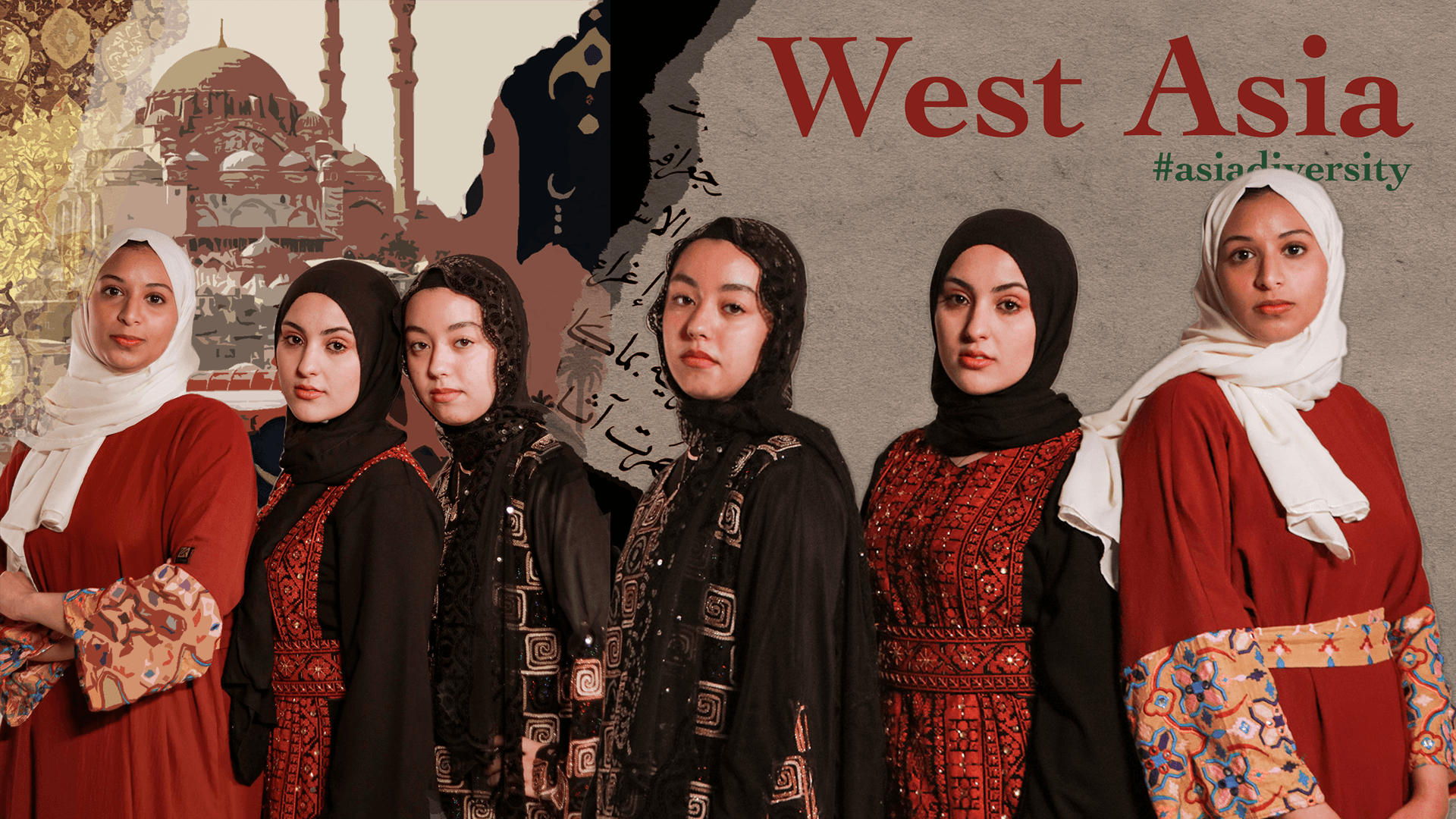
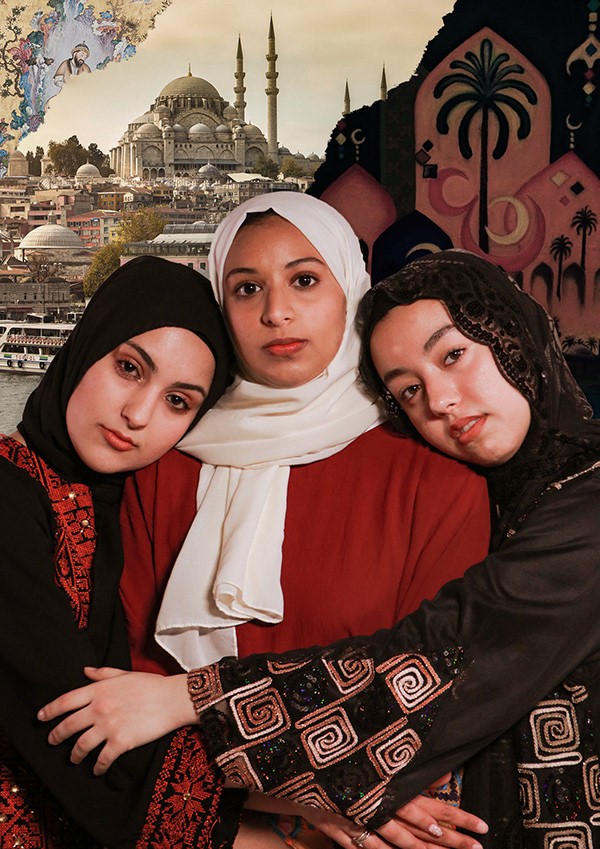
West Asia region comprises 12 member countries: Bahrain, Iraq, Jordan, Kuwait, Lebanon, Oman, State of Palestine, Qatar, Saudi Arabia, Syrian Arab Republic, United Arab Emirates and Yemen (According to UNEP).
West Asia region comprises 12 member countries: Bahrain, Iraq, Jordan, Kuwait, Lebanon, Oman, State of Palestine, Qatar, Saudi Arabia, Syrian Arab Republic, United Arab Emirates and Yemen (According to UNEP).
West Asia region comprises 12 member countries: Bahrain, Iraq, Jordan, Kuwait, Lebanon, Oman, State of Palestine, Qatar, Saudi Arabia, Syrian Arab Republic, United Arab Emirates and Yemen (According to UNEP).
The end.
The end.
The end.
The end.

OHTER PROJECTS

Drawing and Sketches
Drawing and Sketches
A showcase from the Drawing class I took with Professor Emily Tyman in the Spring semester of 2025.
A showcase from the Drawing class I took with Professor Emily Tyman
A showcase from the Drawing class I took with Professor Emily Tyman in the Spring of 2025.

Lucid Pictures
From daily Facebook posts reflecting on Hollywood and film history to a viral debut short film, Lucid Pictures is a mini film studio I founded during the pandemic.
Sunshine Love
A romantic musical short film in the middle of the Old Quarters, Hanoi. Written, filmed and directed by Fin.
OHTER PROJECTS
OHTER PROJECTS
Drawing and Sketches
A showcase from the Drawing class I took with Professor Emily Tyman in the Spring semester of 2025.
Lucid Pictures
From daily Facebook posts reflecting on Hollywood and film history to a viral debut short film, Lucid Pictures is a mini film studio I founded during the pandemic.
Sunshine Love
A romantic musical short film in the middle of the Old Quarters, Hanoi. Written, filmed and directed by Fin.